Verified Environmental Transparency for Proctor Passive Wraptite SA
Proctor Group Australia and DCTech are pleased to announce the release of the Environmental Product Declaration (EPD) for Proctor Passive Wraptite SA, published under The International EPD® System (EPD-IES-0017163) and valid through 2030.
This third-party verified declaration provides a complete cradle-to-gate life cycle assessment (LCA) in accordance with ISO 14025, ISO 14040/44, and EN 15804+A2:2019, covering all environmental aspects of production, distribution, installation, and end-of-life management.
As the exclusive providers of Proctor Passive Wraptite SA in Australia and New Zealand, Proctor Group Australia and DCTech are committed to supplying building envelope solutions that combine airtightness, durability, and verified sustainability.
Wraptite SA: Performance and Environmental Scope
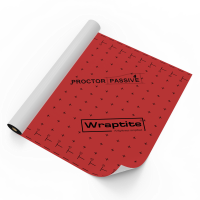
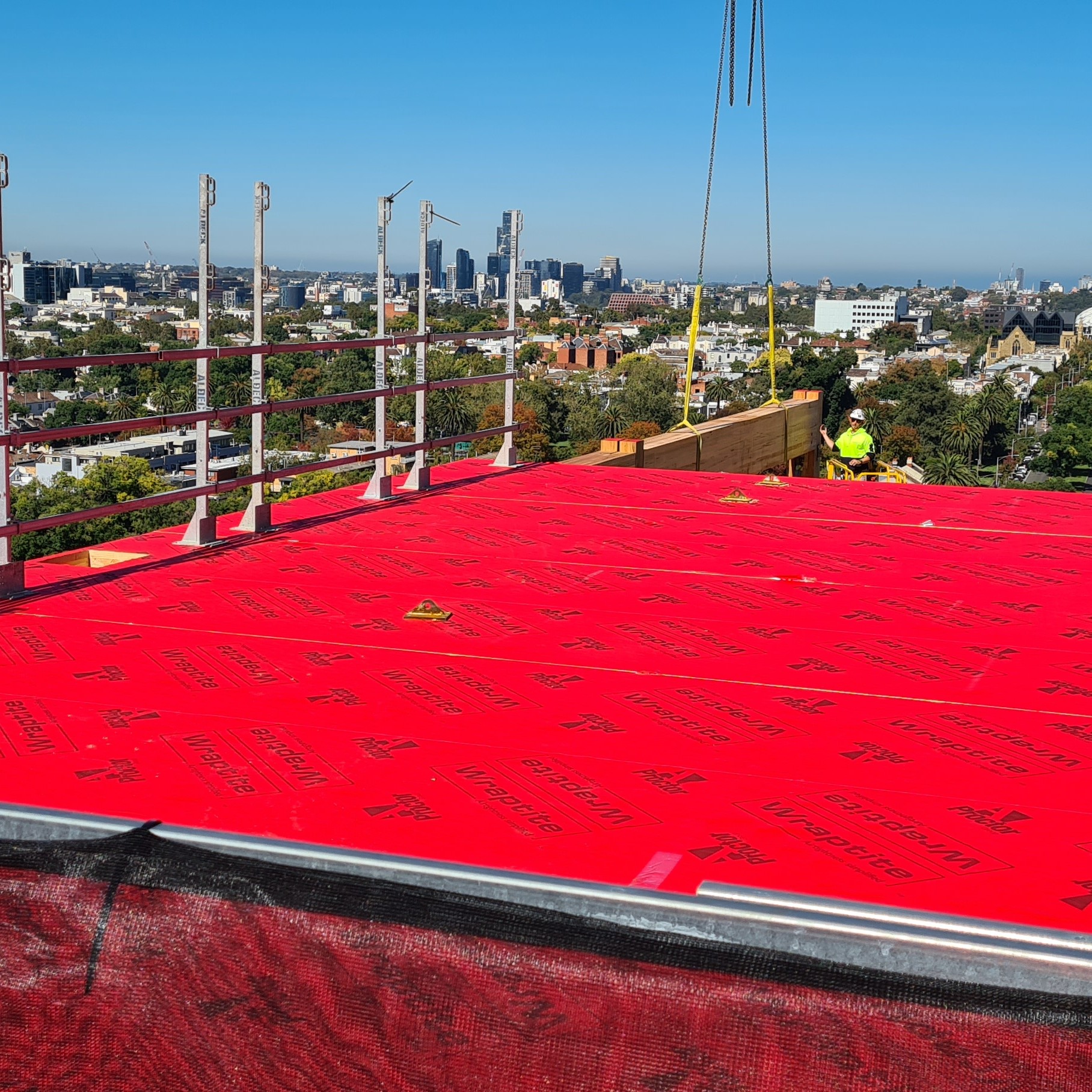
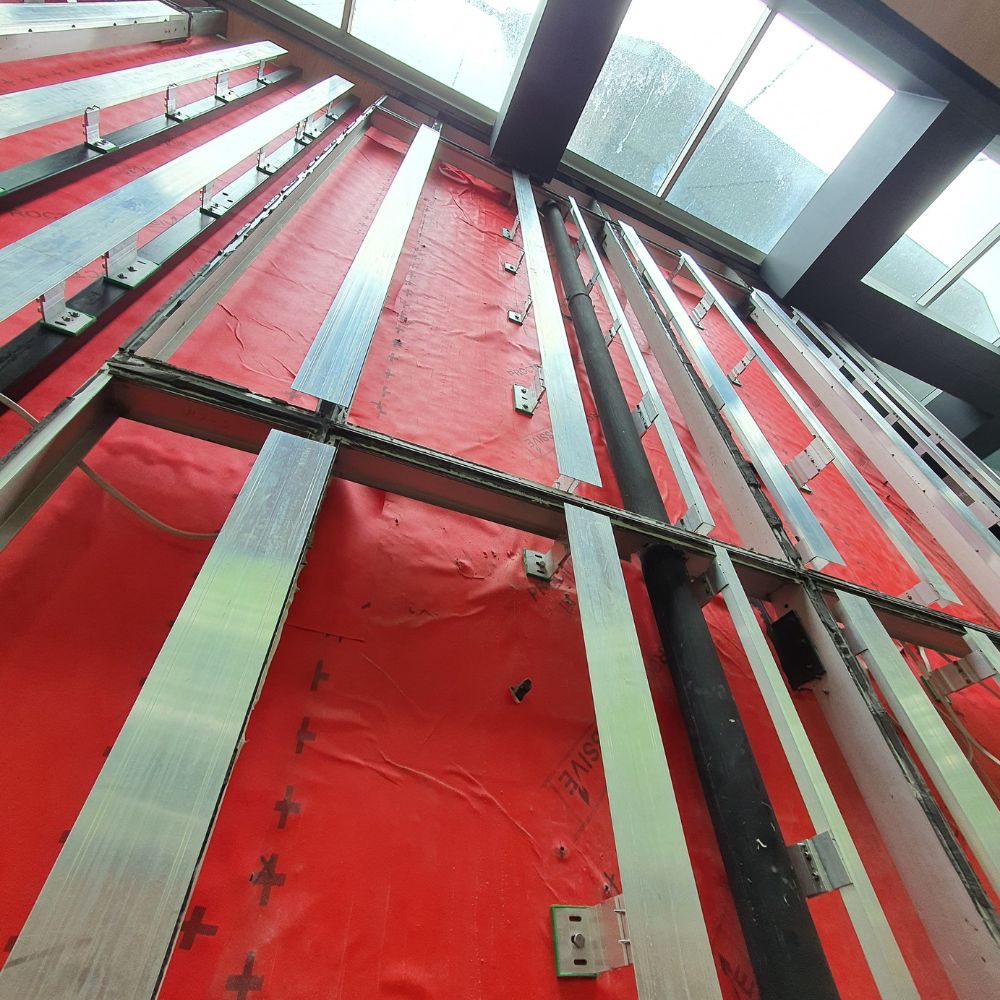
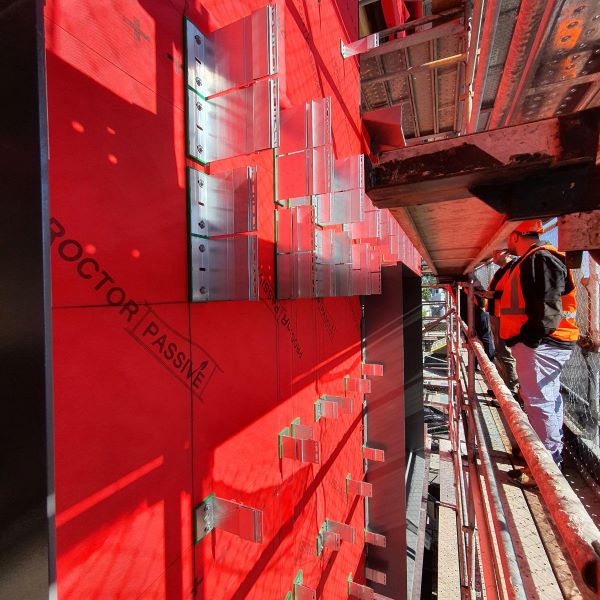
Proctor Passive Wraptite SA is a self-adhered, vapour-permeable, and airtight external membrane for walls, roofs, and floors. The system eliminates the need for mechanical fixings and secondary tapes by providing a continuous self-adhered seal, reducing material usage and site waste while improving installation efficiency.
This latest EPD covers Wraptite SA within a broader family of Proctor membranes, including Procheck A2®, Procheck FR200®, Proctorwrap Reflect®, Reflectatherm® Plus, and Proctor Air®. The LCA results are reported using a worst-case methodology, meaning that actual environmental impacts for Wraptite are typically lower than those published, ensuring conservative, reliable data for designers.
Cradle-to-Gate with Options (A1–A5, C1–C4, D)
The LCA encompasses the following life cycle modules:
| Stage | Scope | Description |
|---|---|---|
| A1–A3 | Product Stage | Raw material extraction, energy use, and manufacturing processes |
| A4–A5 | Construction Stage | Transport to site, packaging treatment, and installation impacts |
| C1–C4 | End of Life | Dismantling, waste processing, incineration or landfill |
| D | Beyond System Boundary | Energy recovery credits from incineration and recycling |
Environmental Impact Indicators (Per m² of Product)
| Impact Category | Indicator | Result | Key Contributor |
|---|---|---|---|
| Global Warming Potential (Total) | GWP-total | 2.04 kg CO₂-eq | Raw material extraction (A1) |
| Fossil-based GWP | GWP-fossil | 2.05 kg CO₂-eq | Polypropylene and PET feedstocks |
| Ozone Depletion Potential | ODP | 8.62 × 10⁻⁷ kg CFC-11 eq | Minimal, negligible effect |
| Acidification Potential | AP | 1.28 × 10⁻² mol H⁺ eq | Energy and resin inputs |
| Abiotic Depletion (Fossil) | ADP-fossil | 35.2 MJ | Polymer resin and aluminium layers |
| Water Deprivation Potential | WDP | 0.616 m³ | Manufacturing electricity consumption |
The GWP-GHG value (excluding biogenic CO₂) was measured at 2.33 kg CO₂-eq per m², representing a low embodied carbon profile compared with typical façade and air barrier systems.
Manufacturing and Supply Chain
Wraptite SA membranes are produced through multi-layer lamination of PP spun-bond, PET, and acrylic adhesive layers under controlled temperature and pressure.
The EPD confirms:
-
Primary data quality exceeding 90%, collected across European and Asian production facilities.
-
Electricity grid emissions ranging from 0.084 to 0.820 kg CO₂/kWh, depending on regional source.
-
Cradle-to-Gate weight of 0.437 kg/m² including packaging.
-
No substances of very high concern (SVHC) in accordance with ECHA regulations (as of March 2025).
Distribution to Australia and New Zealand occurs via container shipping from A. Proctor Group’s UK facility, followed by regional logistics through DCTech and Proctor Group Australia’s supply networks.
End-of-Life Scenarios
End-of-life modelling assumes a mix of 40% incineration and 60% landfill, aligned with global averages (World Bank 2024). The EPD also includes 100% incineration and 100% landfill scenarios for transparency.
Energy recovery credits of 0.0052 MJ electricity and 0.037 MJ thermal energy are achievable through waste-to-energy conversion.
Wraptite’s end-of-life impact is minimal relative to upstream material stages, confirming that material selection during manufacture remains the dominant environmental driver.
Data Integrity and Verification
The LCA was conducted by Ramboll Deutschland GmbH using the ecoinvent 3.11 database and Umberto 11.15.1 software, with independent third-party verification by Kim Allbury, approved by the International EPD® System.
Data quality was assessed as “good to very good” across geographical, temporal, and technological criteria under EN 15941:2024.
Supporting Low-Carbon Building and Rating Systems
The verified EPD data allows Wraptite SA to be confidently specified within:
-
Green Star and NABERS projects (for embodied carbon reporting)
-
IS Rating Scheme (Infrastructure Sustainability Council) submissions
-
NCC 2025 compliance where building fabric performance and airtightness are critical
-
Whole-of-building LCAs under EN 15978 or Green Star Responsible Products
By providing verified environmental data, Proctor Group Australia and DCTech empower designers and builders to quantify embodied impacts while improving operational efficiency through airtight construction.
A Long-Term Commitment to Transparency
The publication of this EPD demonstrates A. Proctor Group’s ongoing leadership in combining high-performance membrane technology with environmental accountability.
For the Australian and New Zealand markets, Proctor Group Australia and DCTech continue to bridge advanced European building science with local regulatory and sustainability goals — ensuring every project benefits from both verified data and trusted performance.
Access the full EPD:
👉 www.environdec.com/library/epd-ies-0017163
Local enquiries:
📍 www.proctorgroup.com.au | www.dctech.com.au
Leave A Comment
You must be logged in to post a comment.